by admin | Feb 7, 2018 | LTC Roll Blog
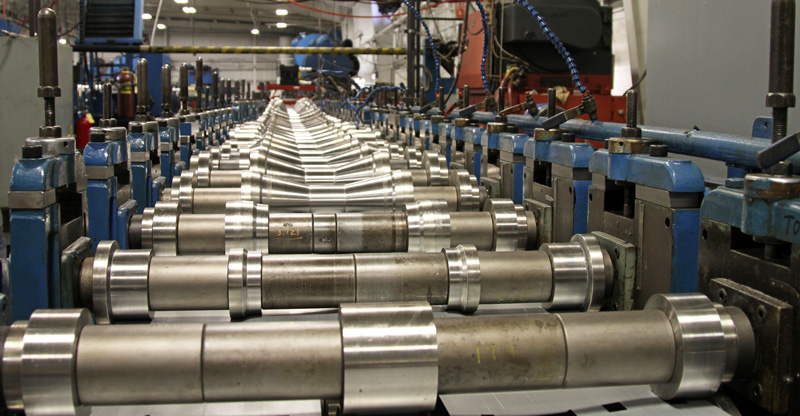
The art of roll forming and stamping is an interesting process that dates all the way back to 4000BC. It originated as the process known as forging in Egypt, Mesopotamia, and the Mediterranean area. In the beginning, it was just gold and silver that was forged to make jewelry and weapons. Iron only became the staple for weapons, parts, and tools in 700BC. Fast-forward to the present where the roll forming and stamping process uses many different materials. Today, leading companies that work in the field of automotive metal forming continue to perfect these processes. Automotive metal forming is a vital aspect of metal forming. Keep reading to learn more about this fascinating industry and the benefits it offers. What Is Automotive Metal Forming Automotive metal forming is the process of bending or shaping metal into a specific shape to create automotive parts. Metal can undergo something called plastic deformation. This means that the metal can take any shape you could imagine. Roll forming uses force to change the shape of the metal. Stamping, but, is a little different. This process incorporates a machine called a stamping press. This machine uses dies to cut metal into the shape itself. Both of these processes have their advantages when creating different automotive parts. This process creates many parts ranging from bumper beams and door frames, to seat tracks, cross sills, and brackets. Without automotive metal forming, building cars would be a difficult process; they might not even exist. For cars to work, we need parts that are contoured, and that can only happen with roll forming and stamping. Benefits of Roll Forming and Stamping There...
by admin | Jan 17, 2018 | LTC Roll Blog
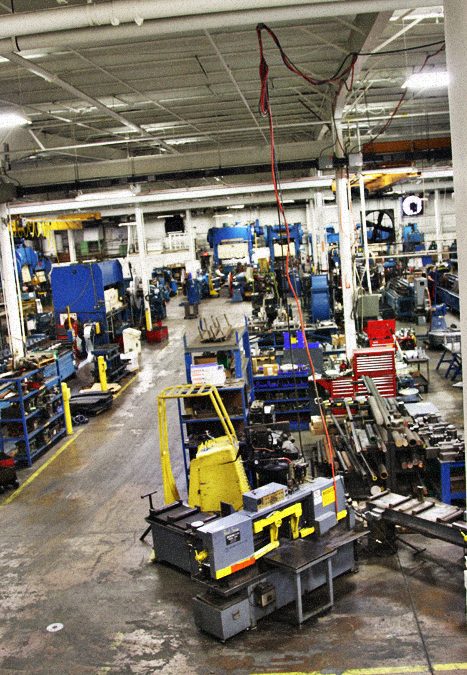
Assembly lines have changed dramatically over the past one hundred years. New techniques and assembly styles allow for speedy and flexible production. Certain new methods address some of the most serious assembly line flaws by protecting employees. Others allow both efficient production and options for customization and partial assembly. Here are the four most common types of assembly lines still in use today. Classic A classic assembly line is the sort of manufacturing process early car manufacturers like Ford made memorable. This type of assembly line uses a number of steps, performed by different workers, to create a single product. That product is usually large and/or complex. Regardless of size or complexity, however, each product is essentially identical. Again, cars are a great example. A car is not a simple thing to build, but every car with the same make, model, and year feature all the same parts in the same places. Automated An automated assembly system might look a lot like a classic one, but it features one critical difference. There are fewer humans and more machines. Machines governed by computers almost entirely staff today’s automated systems. Many manufacturers adopted this model over the past decade or two. In theory, it reduces long-term costs, and it certainly cuts down the likelihood of human errors. Most of these systems still follow classic procedures, however, and many build similar products. One great advantage automated systems have over human labor is the ability to handle hazardous materials. The age of radium girls is over. Those kinds of jobs, now go to machines. Intermittent Unlike the previous two assembly line types, intermittent...

by admin | Jan 3, 2018 | LTC Roll Blog
Modern manufacturing has made metal products available to all kinds of customers. This is still a fairly recent development, though. Metal manufacturing today owes a lot to the inventiveness of traditional metalworkers and blacksmiths. The First Metalworkers Originally, all metalwork products were unique, hand-worked items. Softer metals could be melted and poured into forms. The first evidence of metal work appears in ancient Palestine and surrounding Middle Eastern regions. These early craftsmen worked with very soft metals, such as gold, silver, and copper. Since craftspeople were still learning how to remove ore from rocks, metalworking was relatively rare, and the metals favored by early craftsmen often appear in large, unified quantities. Gold, for instance, may appear in relatively pure ‘nuggets.’ As harder metals like iron became more readily available, blacksmiths became the default metalworkers of their communities. Since even their hot hearths couldn’t keep hard metals soft for long, blacksmiths developed stage-oriented production methods that focused on shaping hard metal in stages. A blacksmith heated the metal, worked it briefly, returned the metal to the heat, and continued in this rhythm until he finished creating the product. One of the greatest problems for metalworkers was heat. Many specialized tools, including bellows, were invented to spike a fire’s heat so it could adequately soften hard metals. There are still plenty of blacksmiths around today, although they typically make artisan products that are far more expensive than mass-produced options. Improving Metal Manufacturing leaders today directly link the evolution of metalworking with the ability of individuals to not just shape but also mix metals. Most of the metal we use today is not a...
by admin | Dec 20, 2017 | LTC Roll Blog
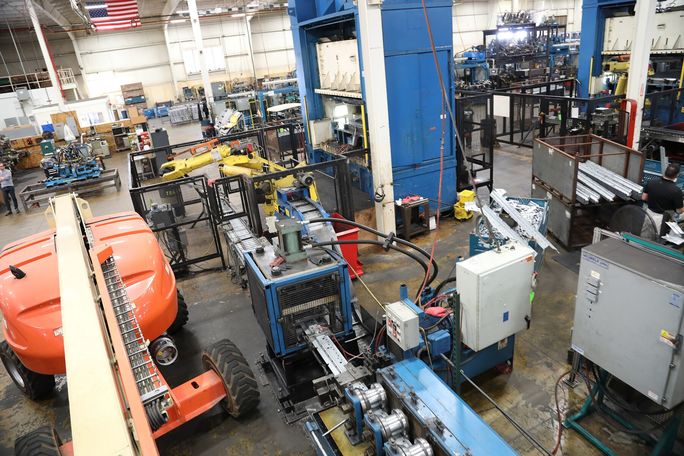
Today, the manufacturing industry continues to impact the daily lives of countless people. The ability to manufacture individual parts has had some amazing effects on our world. Unfortunately, many people are unaware of the benefits that manufacturing provides for businesses and everyday consumers across the world. Even today, the American economy is heavily impacted by the manufacturing industry. Manufacturing Produces Jobs The most important benefit of the manufacturing industry is how many jobs it creates for Americans. Tags and stamps that read, “Made in the U.S.A,” are an indication that someone in America helped produce that product. It represents a job created, providing an income for a person or even a family. There are approximately 12.5 million workers in this field which equates to 8.5% of the workforce. Other benefits stem from the job creation in manufacturing. For example, it also cuts down on costs. All the elements of production are in the same place with the same workers. Likewise, manufacturing in the U.S. increases the public perception of your company and brand overall. Most people appreciate that you want to create jobs in America. As a result, they choose to buy your products over products from a company that outsources their production. It’s the Largest Multiplier When it comes to supporting other sectors of the economy, the manufacturing industry provides the greatest support. As a result, it is considered the largest multiplier out of every part of the economy. For every dollar spent in manufacturing, other sectors earn even more on the back end. On average, it equals about 50 cents on the dollar. By creating profits for other sectors of the...

by admin | Dec 6, 2017 | LTC Roll Blog
Roll forming is an intricate and delicate process. Everything has to be perfect to design safe and functioning parts for whoever needs them. The process is used for a variety of manufacturing needs, including the automotive industry, for example. For those who don’t understand how this process works, this article will explain everything you need to know about it. There are No Length Restraints While some operations that create parts have issues with size, roll forming does not. No matter the length of the material used, there will not be an issue because the different materials are coiled and fed through. This method allows for you to use any length of material in the rolling process. Roll Forming is Affordable While some people might think that roll forming seems expensive, they are wrong. It is one of the more affordable processes out there because of its speed and the constant use of the assembly line. Surprisingly, this process can handle high volumes of production very quickly, which allows for less money to be spent. You Can Use Most Materials Many people think that you can only use regular metal when roll forming, but this is not true. You can use just about any type of material, including aluminum, brass, copper, galvanized steel, electro-galvanized steel, and stainless steel. That is one of the most significant features of roll forming: no matter what material you need to use can be used. Roll Forming is Precise Some people are concerned about whether or not roll forming is precise enough to create entirely fitting and functioning parts. However, roll forming process was made...


